For companies, often the biggest source of emissions of companies are indirect emissions that occur in the companies’ supply chain. For example emissions associated with the production of goods or services purchased by the company. We call these scope 3 emissions.
Insetting projects are co-developed with value chain partners to collectively reduce emissions across the supply chain. Imset specializes in insetting projects in international agrifood value chains.
Imset specializes in the development of agroforestry and biochar projects
Agroforestry
Agroforestry can turn agricultural land into carbon sinks by sequestering carbon in trees. Agroferestry has postive effects on the overall resilience of the farming system and it provides a means of income diversification and addtional income for farmers.
Biochar
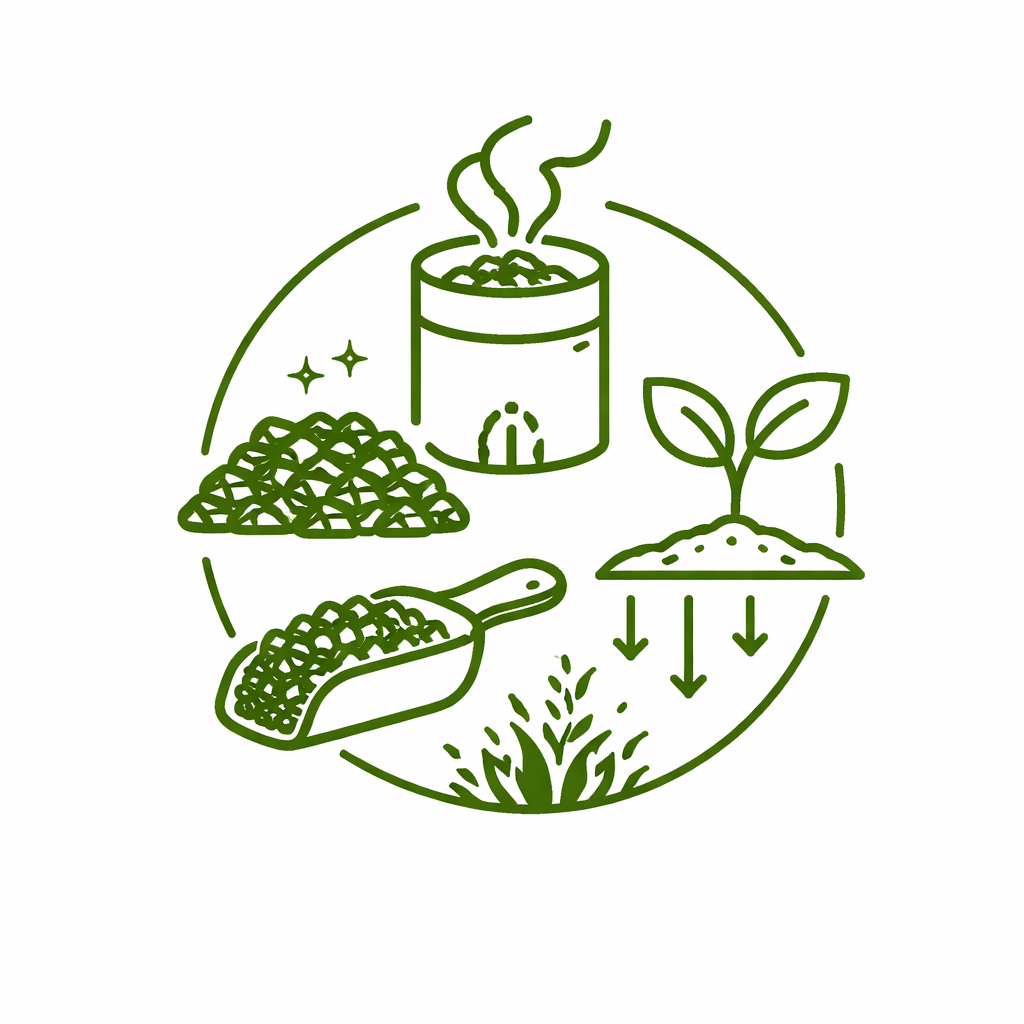
Biochar is a soil amendment produced from agricultural residues through a pyrolysis process. It improves soil health and nutrient efficiency, reducing reliance on synthetic fertilizers. By stabilising organic carbon in a durable form, biochar offers strong potential as a permanent carbon removal solution.